Homework Without Tears: Using Visual Timers for Neurodivergent Kids
Transforming Homework Battles into Triumphs
Homework can be a source of significant stress for many families, especially when a child is neurodivergent. For children with ADHD, autism, dyslexia, or other learning differences, the abstract concept of time, coupled with challenges in executive function, can turn a simple assignment into a daunting task. But what if there was a simple, effective tool that could ease this tension, bringing clarity and calm to homework time? Enter visual timers, a game-changer for countless neurodivergent learners and their families.
Understanding the Homework Hurdles for Neurodivergent Kids
Before diving into solutions, it’s helpful to understand why homework can be particularly challenging. Neurodivergent children often face unique obstacles:
- Time Blindness: The inability to accurately perceive the passage of time or how long a task will take. This can make starting or completing work incredibly difficult.
- Executive Function Challenges: Difficulties with planning, organizing, initiating tasks, shifting attention, and managing impulses. These skills are crucial for homework success.
- Sensory Overload: Environmental distractions, the texture of paper, or even the sound of a ticking clock can be overwhelming, making concentration nearly impossible.
- Transitions: Moving from playtime to homework, or from one subject to another, can be a major hurdle, often met with resistance or meltdowns.
- Motivation and Sustained Attention: Maintaining focus on non-preferred tasks for extended periods is a common struggle.
These challenges aren’t a lack of willingness, but rather differences in how the brain processes information and manages tasks. Visual timers offer a concrete bridge over these abstract hurdles.
The Unstoppable Power of Visual Timers
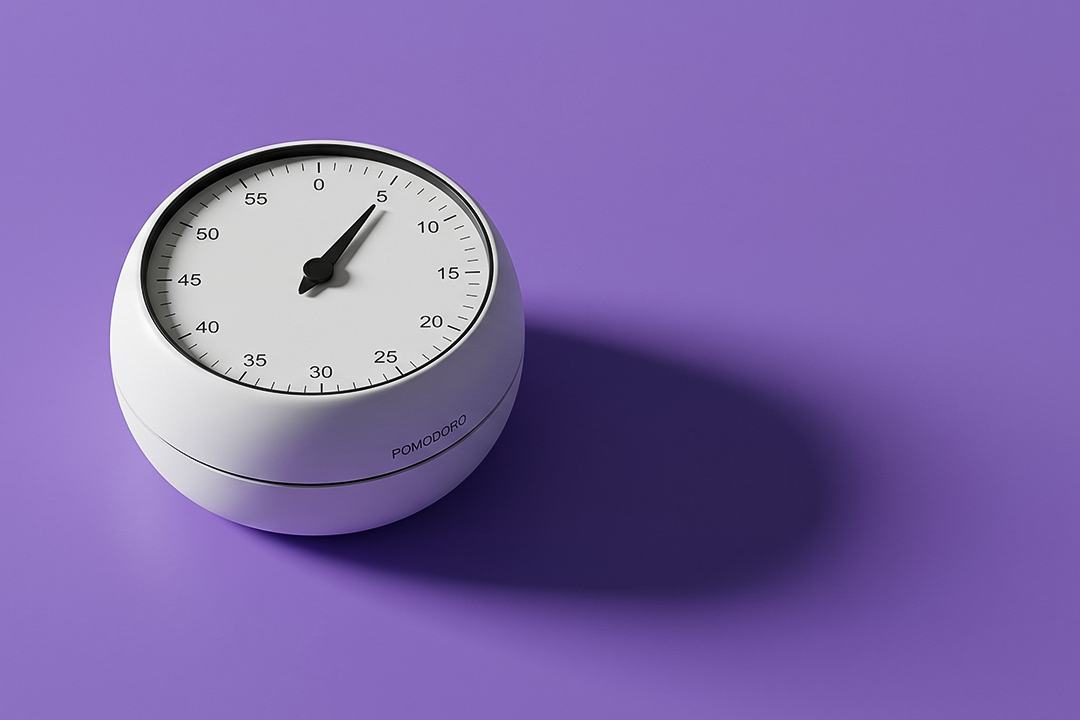
Visual timers work by transforming the abstract concept of time into a tangible, observable experience. Instead of a numerical countdown, they typically display time as a disappearing colored disk, a changing light, or a moving bar. This visual representation provides immediate, intuitive feedback, making time management accessible to everyone, especially neurodivergent individuals.
How Visual Timers Create a Calmer Homework Environment:
- Concretizing Time: They show exactly how much time is left, addressing time blindness directly. Children can literally “see” time diminishing, which helps them pace themselves.
- Reducing Anxiety: The unknown can be terrifying. A visual timer makes the duration of a task predictable, reducing the anxiety associated with open-ended assignments.
- Improving Focus: By breaking down tasks into manageable, timed chunks, children can concentrate more effectively, knowing there’s a clear endpoint in sight.
- Aiding Transitions: A visual timer can signal the end of one activity and the beginning of another, preparing the child mentally for the shift.
- Empowering Independence: As children learn to rely on the visual cue, they gain a sense of control over their time and tasks, fostering greater autonomy.
Practical Strategies for Integrating Visual Timers
Successfully using visual timers involves more than just setting them. Here are some tips to maximize their effectiveness:
Start Small and Build Up
Introduce the timer for short, manageable tasks first, like a 10-minute reading session or a 15-minute math worksheet. Gradually increase the duration as your child becomes more comfortable and confident.
Be Consistent and Predictable
Use the visual timer regularly for homework and other routines. Consistency helps your child internalize the concept of timed activities and builds a predictable structure, which many neurodivergent children thrive on.
Customize Settings to Your Child’s Needs
Many visual timers, especially app-based ones, offer customizable features like different colors, sounds, or alarm types. Experiment to find what works best for your child - a gentle chime might be calming, while a specific color might be more engaging.
Combine with Scheduled Breaks
Break longer homework sessions into smaller, timed chunks with planned breaks in between. For example, “20 minutes of homework, then a 5-minute movement break.” The visual timer can mark both the work period and the break time.
Involve Your Child in the Process
Let your child help set the timer or choose the duration for a task. This gives them a sense of ownership and control, increasing their buy-in and cooperation.
Place it Prominently
Ensure the visual timer is easily visible to your child throughout the homework session. This constant visual reminder is key to its effectiveness.
Beyond Homework: Expanding the Benefits
The utility of visual timers extends far beyond homework. They can be invaluable for managing chores, structuring playtime, facilitating morning routines, or even signaling when it’s time to put away toys. By integrating them into various aspects of daily life, you reinforce time management skills in a consistent and supportive way.
Choosing Your Visual Timer Companion
Visual timers come in various forms, from physical devices with a colored disk to versatile digital apps. Both have their merits, but app-based timers like Bloke Timer often offer greater flexibility, customization, and portability.
Empowering Your Child, One Timed Task at a Time
Helping your neurodivergent child navigate the complexities of homework doesn’t have to be a daily struggle. By incorporating a simple, yet powerful tool like a visual timer, you can provide the structure, predictability, and clarity they need to succeed. It’s about fostering independence, reducing anxiety, and creating a more positive learning environment at home.
Empowering your child with effective tools can make a world of difference. If you’re looking for a reliable and intuitive visual timer to support your child’s learning journey, explore Bloke Timer at Bloke Studio. Helping your child manage their time with confidence is a rewarding journey, and we’re here to support you.
More articles