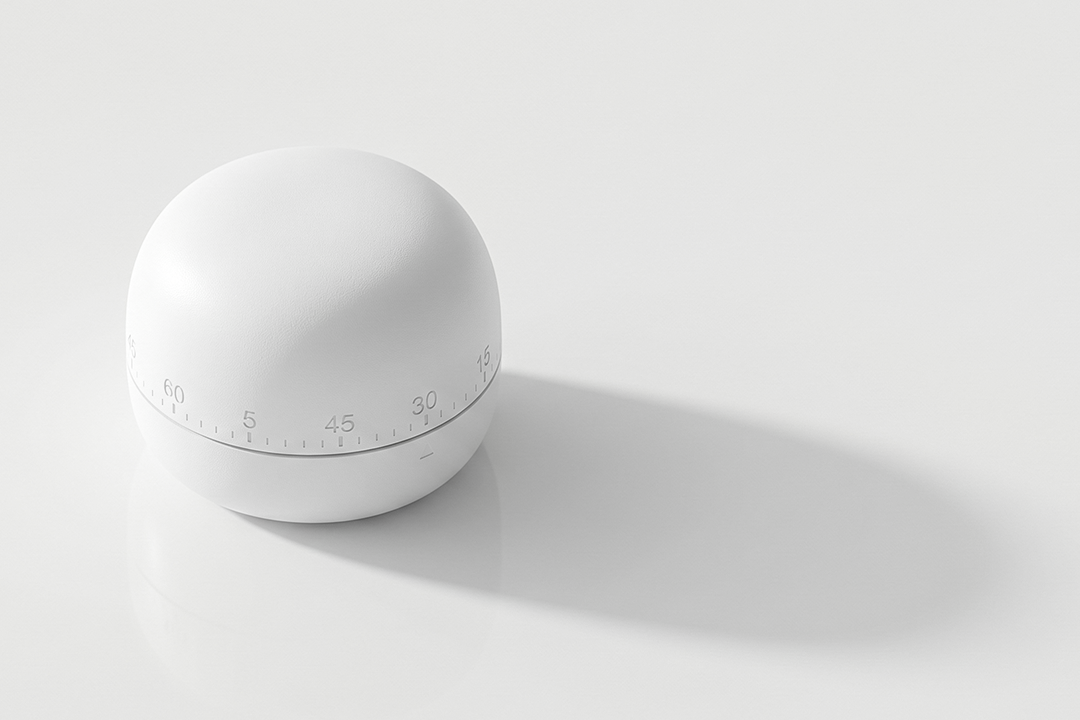
Beyond Pomodoro: Timer Methods to Supercharge Your Productivity
The Pomodoro Technique, with its focused 25-minute work sprints followed by short breaks, has become a household name in productivity. It’s a fantastic starting point for many, helping to combat procrastination and maintain focus. But what if your work, your energy levels, or your personal style demands something different? What if you’re ready to move beyond the classic tomato timer and discover methods that truly supercharge your unique workflow?
The truth is, productivity isn’t a one-size-fits-all endeavor. Just as a chef uses different tools for different ingredients, you can benefit from a diverse toolkit of time management techniques. Exploring alternatives can help you fine-tune your focus, manage complex projects, and prevent burnout, ultimately leading to more efficient and satisfying work sessions.
Beyond the Pomodoro: Alternative Timer Methods to Boost Your Focus
Let’s dive into some powerful timer methods that offer different structures and benefits, perfect for students and professionals looking to optimize their time.
The Flowtime Technique: Embrace Your Natural Rhythm
Unlike rigid fixed-interval timers, Flowtime is about working with your natural flow. When you start a task, you simply begin working and track your time. When you feel a natural dip in focus, a need for a break, or the task is complete, you stop the timer. You then record the duration of your focused session and the length of your break.
“Flowtime encourages mindful work, helping you understand your personal focus patterns and adapt your work sessions accordingly.”
This method is excellent for creative tasks, deep work, or when you’re unsure how long a task will take. It allows for longer periods of uninterrupted work when you’re in the zone, preventing artificial interruptions that can break concentration.
The 52/17 Method: Intense Focus, Restorative Breaks
This technique advocates for 52 minutes of intense, uninterrupted work, followed by a generous 17-minute break. The idea is that the slightly longer work period allows for deeper engagement, while the substantial break ensures genuine rest and recovery.
The 52/17 method is ideal for tasks that require significant concentration but can still be broken down into manageable chunks. The longer break provides ample time to step away, stretch, grab a snack, or briefly disengage, helping you return refreshed and ready for the next sprint.
The Ultra-Dian Method: Deep Work for Complex Tasks
For those who tackle highly complex projects or require extended periods of deep concentration, the Ultra-Dian method might be your ideal match. This technique involves 90 minutes of focused work, followed by a 30-minute break.
This longer work block is based on research suggesting that our brains can sustain peak focus for approximately 90-120 minutes before needing a substantial rest. It’s perfect for writing extensive reports, coding intricate programs, or engaging in problem-solving that demands sustained mental effort. The 30-minute break allows for significant mental recovery, preventing decision fatigue and burnout.
The Timeboxing Method: Flexible Structure for Diverse Tasks
Timeboxing is less about specific work/break intervals and more about allocating fixed time slots for particular tasks. You decide in advance how much time you will dedicate to a task, say 60 minutes for “email management” or 45 minutes for “research.” The key is to stop working on that task once the timebox expires, regardless of whether it’s finished.
This method is incredibly versatile and helps prevent tasks from expanding to fill all available time. It encourages realistic estimations, forces prioritization, and can be easily adapted to any schedule. If a task isn’t complete, you can create another timebox for it later, or re-evaluate its importance.
Choosing Your Perfect Productivity Partner
With so many options, how do you pick the best method for you? Here are a few considerations:
- Task Type: Are you doing creative work, analytical problem-solving, or repetitive administrative tasks? Some methods suit certain types of work better.
- Energy Levels: Do you have long stretches of high energy, or do you need frequent, short breaks?
- Attention Span: How long can you realistically focus before your mind starts to wander?
- Experimentation is Key: Don’t be afraid to try different methods for a few days or weeks. Keep a journal of your experiences, noting what felt effective and what didn’t.
The goal isn’t to find the “best” method, but the “best for you” method, or even a few methods you can switch between depending on the day or task. A good timer app can be an invaluable tool in this exploration, allowing you to customize intervals, track your sessions, and switch between techniques with ease.
Tips for Success with Any Timer Method
No matter which technique you choose, these universal principles will help you maximize your productivity:
- Eliminate Distractions: Turn off notifications, close unnecessary tabs, and find a quiet space.
- Set Clear Goals: Before starting a timer, know exactly what you aim to accomplish during that session.
- Respect Your Breaks: Use your breaks to genuinely rest and recharge, stepping away from your work.
- Review and Adjust: Regularly assess how well a method is working for you and make adjustments as needed.
Empowering your workday with the right timer method can transform your productivity and well-being. By moving beyond the familiar and exploring diverse techniques, you can unlock your full potential and create a workflow that truly supports your goals. Ready to explore these methods and find your perfect rhythm? Bloke Timer can be an excellent partner on this journey, helping you track your progress and customize your focus sessions.
More articles